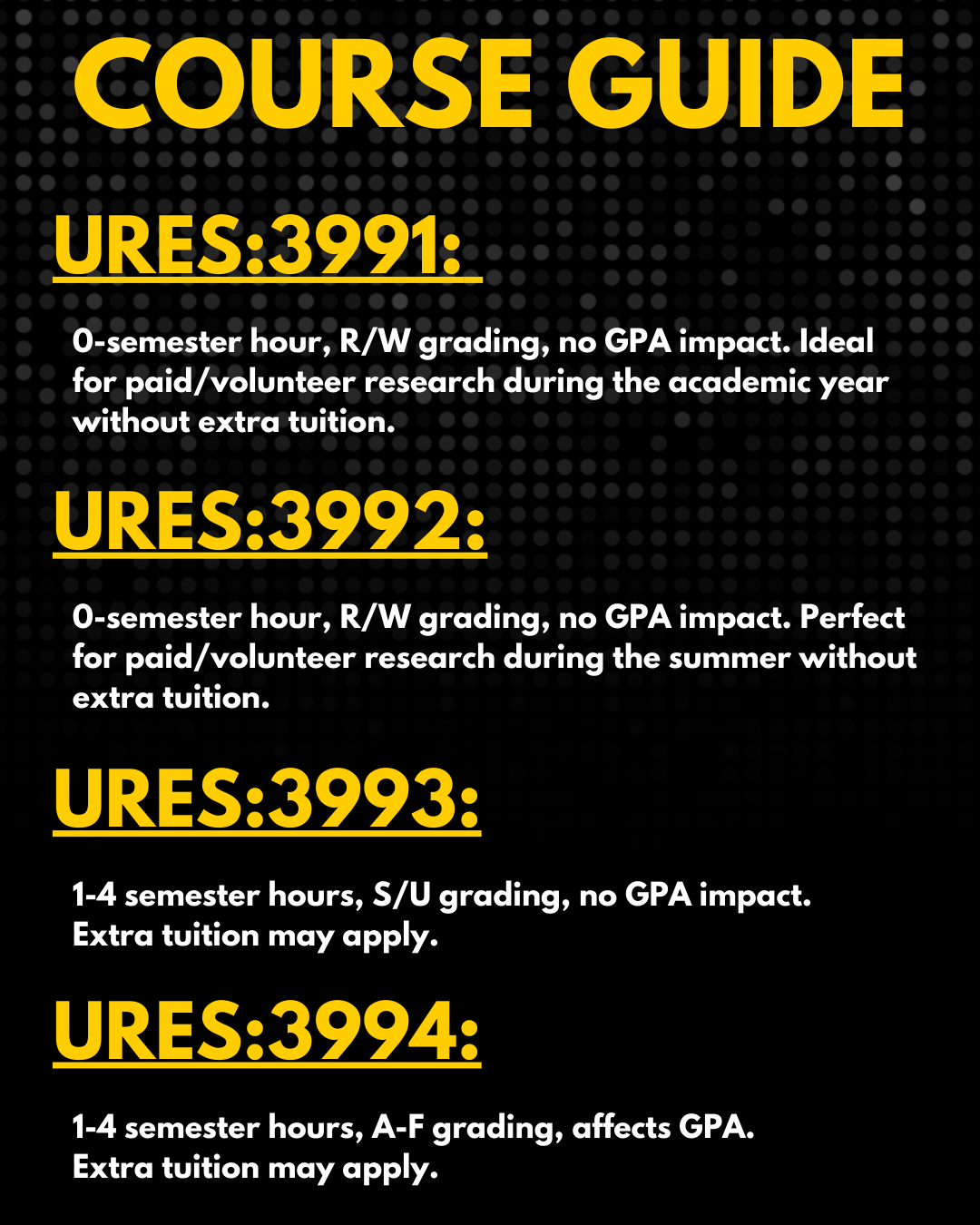
Volunteer/Credit Research Opportunities
Undergraduate Research Assistant Position
Research Topic: Effect of chronic opioid use on early cardiovascular development. Up to 22% of pregnant women either receive opioid pain medications or misuse opioids, consequently exposing their fetuses to potential adverse outcomes such as congenital heart defects, stillbirths, and disrupted early cardiovascular development (eCVD). While cessation of opioid use might not be possible, effective and individualized pain management during pregnancy is critical and strongly warranted. However, the precise details of how opioid timing, dose, and type affect eCVD remain poorly understood. There is an urgent need to investigate the impact of opioids on eCVD in models that faithfully simulate human embryonic development. Without such knowledge, establishing a guide for opioid treatment during pregnancy to mitigate adverse cardiovascular outcomes in neonates remains unlikely.
Attachment and Neurodevelopment Lab
The Attachment and Neurodevelopment Lab is directed by Dr. Lane Strathearn, a neuroscientist and developmental-behavioral pediatrician at the Center for Disabilities and Development (CDD) at the University of Iowa Stead Family Children’s Hospital. Our lab explores how early relationships between parents and children shape brain development and long-term well-being. We use tools like brain imaging, semi-structured interviews, genetic and epigenetics testing, and hormone analysis to better understand how parents respond to their children—especially in situations involving stress, substance use, or developmental challenges like autism. Our goal is to support healthy development by learning how strong, nurturing relationships are built from the very beginning.
One Health approach to evaluate infectious diseases
The overall goal of our lab is to understand the interactions between different environmental factors and microbes using a One Health framework, or the shared health of humans, animal and the environment. The specific project the student will be involved with is investigating farmers' risk factor of tick-borne diseases.
Research in the SCAN Lab aims to understand the neural bases of motivation and cognitive control as applied to social cognition and addictive behaviors
Characterizing Alcohol Risk in Development (CARD). The purpose of this research is to better understand factors that can increase or decrease the likelihood that teenagers and young adults will drink alcohol and experience negative consequences from drinking.
How Humans Make Sense of Complex Audiovisual Stimuli in Everyday Scenes
The research project seeks to reveal how humans interpret complex real-world sounds by measuring how their interpretations change (e.g., what made that sound? what did that person say?) as the acoustical structure of the sounds is carefully modified be experimenters.
Unveiling GPCR signaling in cancer and obesity: function and therapeutic options
The research focuses on investigating the signaling mechanisms underlying the development of obesity and breast cancer. This project offers ample opportunities for undergraduate student involvement. Depending on their experience, students may assist with lab maintenance, support experimental procedures, and receive guidance in applying for the ICRU fellowship. With substantial contributions, students may also have the opportunity to co-author manuscripts.
Social-Emotional Development from Infancy to Adolescence
We study children’s social-emotional development from infancy to adolescence. Students in this lab have the opportunity to work on a longitudinal study to help collect data during laboratory sessions, code behavioral data from videos, and perform preliminary data management.
Engineering Prototypes Advancing Patient‑Centered Cancer Care
The Byrne Lab is seeking a motivated undergraduate student in Mechanical Engineering to support the development of new technologies aimed at improving the standard of care for cancer patients. This position offers hands‑on experience at the intersection of engineering and medicine, contributing to projects that directly support patient‑centered innovation.
Creative Scholarship with Music-Making in Prison Contexts
Opportunity to work with Music Education Professor on music-making in prison contexts. Responsibilities will vary based on student interests and schedule but may include, collaborating on original music with an incarcerated songwriter, creating music videos for original songs collaborating with various artists, build social media campaigns and more.
Genetic Regulation of Endoderm Development
We are currently seeking undergraduate students to join our research team. The students will be responsible for zebrafish care and fish genotyping and will also receive relevant training to conduct experiments. Students will have opportunities to be involved in specific projects and contribute to publications.
Cognitive Neuroscience of Human Executive Function
The Hwang lab conducts research to understand the neural mechanisms of executive functions. Specifically, we are interested in discovering the neural architecture, processes, and dynamic systems that allow brain networks to select, inhibit, transfer, and integrate information. Together, these mechanisms support many important mental functions, such as attention, working memory, response selection and inhibition. We address our research questions with a comprehensive human neuroscience approach, combining multimodal research methodologies, including fMRI, EEG, TMS, eye tracking and behavioral testing.
Developing engineering solutions to reduce infectious respiratory disease transmission ($)
We seek highly motivated students interested in developing interdisciplinary laboratory skills, including basic microbiology practices, air and aerosol sampling techniques, and analytical methods. The overall goal of our lab is to understand the interactions between different environmental factors and respiratory pathogens, and to develop engineering controls that mitigate disease transmission.
Intergenerational Social, Emotional, and Behavioral Health
Interdisciplinary research group explores how the contexts we live and learn in affect social, emotional, and behavioral health outcomes across the life course. Particularly interested in the family system and the role of intergenerational relationships in promoting adaptive developmental outcomes and well-being.
Discovering brain circuitry for energy metabolism
Current Projects: Role of glial cells in feeding and glucose metabolism, role of hunger in reward seeking behavior, and effect of sleep deprivation on energy metabolism.
Research: Perform research activities based upon protocols developed by other research staff or principal investigator of the research project. Read and review articles as directed. As individual skills develop, analyze literature to develop hypotheses for discussion with other researchers or principal investigator.
Immune regulation of graft-versus-host disease and inflammatory bowel disease
We are looking for enthusiastic and motivated undergraduate students who are interested in immunology and want to investigate intestinal mucosa in two disease models, namely graft-versus-host disease and inflammatory bowel disease.
Physiology of Ion Transporting Epithelia
Our projects are captured by the question “How do the different kinds of cells work together in an epithelium to orchestrate ion transport?”. Duties include making solutions, help in preparing experiments, and mouse genotyping.
Evolution of Stress Response Networks in Yeast Pathogens
We are looking for motivated students with a strong interest in research as a career, and eager to gain skills in molecular biology, fungal genetics and bioinformatic data analysis. Research projects in the lab span a wide range of topics but are mostly focused on understanding the evolution of stress response regulation in a group of yeast species. This group includes several opportunistic pathogens that based on our preliminary data have rewired their stress response networks.
Novel genomic technologies for the diagnosis of rare cancers and blood disorders
The Tung Lab is focused on the development of novel genomic technologies in the diagnosis of rare cancers and blood disorders. We study the roles of both somatic and germline genetic variants in various cancer predisposition syndromes, with a specific interest in hereditary hematological malignancies and inherited bone marrow failure syndromes. We are also interested in the development of novel diagnostic tools in pediatric cancers. Click here to learn about ongoing projects and how to get involved.
Lipotoxicity in metabolic diseases ($)
Our research seeks to understand how lipotoxic lipid metabolites ceramides impair nutrient sensing and leads to the development of metabolic diseases. The students will have the opportunity to acquire multiple skills in bioinformatics, molecular, biochemical, and cellular assays as well as mouse handling (if comfortable) and be co-authors on scientific manuscripts.
Learning-Based High-Dimensional Magnetic Resonance Imaging
Students are expected to code/run deep learning algorithms to solve specific problems in biomedical imaging.
Cutting-Edge Dementia Research (Technology, AI, and EHR)
Join my team on cutting-edge dementia research projects! We're seeking enthusiastic volunteer RAs to assist with recruitment, data collection and analysis, and manuscript preparation. This is a unique opportunity to gain co-authorship on high-impact publications and present at conferences.
Viral Immunology Focusing on Brain Viruses and Neuropathogenesis
Our lab focuses on human immune response to polyomaviruses JC and BK. The project seeks to prospectively follow kidney transplant patients' blood and urine samples to determine immune control of the virus. We are also creating individualized kidney organoids from urine stem cells.
Sleep Disturbance in Psychiatric Disorders
Students in this lab will have the opportunity to assist data collection in behavioral, sleep EEG or MRI experiments, organize and maintain databases, and aid in preprocessing of data. They may receive training on EEG and MRI data acquisition, sleep scoring, RedCap, and MRI safety. This is an attractive position for those who are interested in pursuing graduate careers in neuroscience, clinical or cognitive psychology in the future. There is opportunity to conduct honor theses if the student’s research interest aligns with the goals of our lab, and they demonstrate commitment and excellence.
Experimental fluid dynamics, Naval hydrodynamics, Flow diagnosis
For undergraduate students who are interested in experimental fluid dynamics, there are several on-going research projects including sustainable drag reduction and developing an in-house laser illumination system.
Dietary and Lifestyle Approaches to Improving Quality of Life in Multiple Sclerosis ($)
The Wahls Research lab is interested in the relationship between diet quality and clinical outcomes. Motor function is assessed using timed walk and hand function tests. Vision function, quality of life and blood biomarkers are also assessed. The study Efficacy of Diet on Quality of Life in Multiple Sclerosis is a five year study, completing in 2027.
Uterine Endometrial Cancer: Molecular Mechanisms, Targeted Therapy
Uterine endometrial cancer incidence (~65,950 new cases/year) and deaths (~12,550 deaths/year) are on the rise. To help endometrial cancer patients and cure endometrial cancer, we need understand the characteristics of this disease. The current focus of our work is to understand molecular mechanisms of endometrial tumor progression and utilize target therapy or molecular enhanced hormonal therapy to treat endometrial cancer and other hormone-driven cancers.
Studying the Maintenance of Sex and other Big Questions, Mostly in Snails
The Neiman lab uses a variety of conceptual approaches, tools, and methods to study various questions involving the evolution of sexual reproduction, often by studying a small New Zealand snail species that is a powerful model system for the study of sex. We also use the snails to address other topics, including the consequences of plastic pollution, effects of temperature change on learning and memory, and how nutrient availability might influence genome evolution. We also engage in science outreach activities around the Iowa City community.
We don’t have a specific opening for specific project available right now, but curious, positive, and team-oriented students interested in any of these topics should reach out to Dr. Neiman to discuss potential opportunities. There are always ways for motivated and inquisitive undergraduates to contribute!
Development of Behavior Problems and Positive Adjustment in Children
The Developmental Psychopathology Lab conducts research to understand how children develop behavior problems as well as positive adjustment. We have been particularly interested in externalizing behavior problems, such as aggressive, disruptive, and noncompliant behavior. We focus on the development of self-regulation skills and the consequences of children’s self-regulation skills (or deficits) for their school readiness. The goal of our lab is to improve understanding about how children develop behavior problems from a very early age (3–7 years).