New researcher? Great! Seasoned researcher? Great! This page will help you start out and continue to grow your involvement so that you maximize the skills and benefits you gain.
Starting Out
Ask yourself these questions about what you want to get out of your experience.
- How will you document your research results? Is there a specific protocol for keeping a laboratory notebook in your research group?
- To whom do you expect to go if you have questions about your research project? Does your mentor expect you to come solely (or first) to them, or should you feel free to ask others in the research group? If others, can your mentor identify those in the group who would be good resource people for your project?
- Are you comfortable with the methodology used in the lab? Does it involve the use of animals, for example? Does it involve lengthy field trips where you might be isolated with other researchers for weeks at a time? How do you feel about that?
- Will the research that you will be involved in be confidential? Are you allowed to discuss your project with other individuals outside of your laboratory?
- What role will your mentor play in the development of your skills as a writer? Is your mentor willing to help you with your research-related writing along the way or does he/she only want to read it after it is in its final version? If your mentor onlywants to read final versions of your writing, could he appoint someone in the laboratory/research team to proof read your writings?
- Do you know all the institutional safety and ethics training that is required to work in your research project? Discuss the required training with your mentor and establish a deadline by which you should complete it.
- If you have previous research experience, what skills do you expect to bring to your new research group?
Adapted by E. Frazier, C. Pfund, and A. R. Butz from Branchaw, Pfund & Rediske (2010). Entering Research: A Facilitator's Manual. New York: WH Freeman & Company, and from Pfund, Wassarman & Skarlupka (2014). Establishing your Mentoring Relationships for CMB, Biophysics and Nutritional Sciences. Branchaw, J. L., Butz, A. R., & Smith A. (2018). Entering Research (2nd ed.). New York: Macmillan.
Developing Further
Your education and skill development goes beyond what you do in your research environment. The sections below will help you do just that.
Professional Development Resources
Check out some Professional Development Resources from ICRU. This covers things like developing mentor/mentee relationships, getting letters of recommendation, writing personal statements, and more.
Annual Events
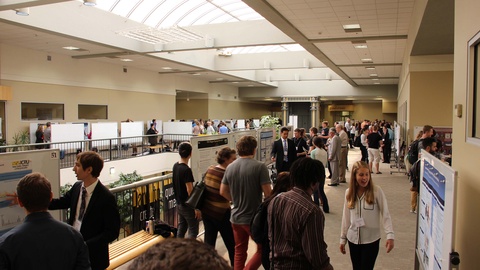
- Fall Undergraduate Research Festival (FURF)
Poster session designed to give presenters experience in speaking to both general and academic audiences. - Spring Undergraduate Research Festival (SURF)
Poster session designed to give presenters experience in speaking to both general and academic audiences. - Research in the Capitol
Poster session with all 3 Regent Universities; Presenters speak to state legislators about their research. - Marshall Undergraduate Research Conference
Half-day conference to help students get involved in research. - Three Minute Research Story Competition
Presenters give a comprehensive overview of their work in less than three minutes.
Workshops
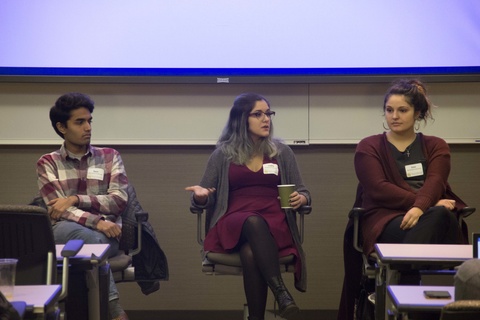
ICRU hosts a variety of workshops throughout the semester to help you focus on the bigger picture: communicating and presenting your work, understanding career paths, developing applications for scholarships and graduate school. Look on our EVENTS page for upcoming workshops.
- Poster Making Workshops
- Oral Presentation Workshops
- Three Minute Pitch Workshops
Awards
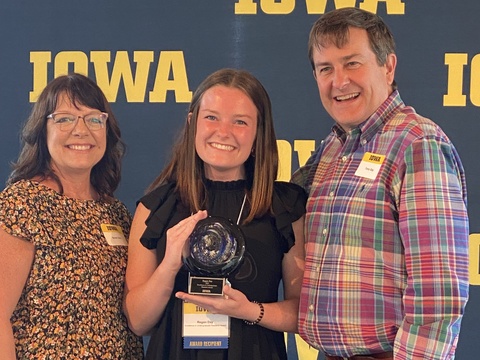
Your work should be rewarded. These recognition opportunities are a small way for ICRU to help you get where you need to be, and to tell you we are proud of what you do.
- ICRU Research Fellowships
Competitive summer and academic year funding for mentored research with UI faculty and staff. - ICRU Travel Awards
Up to $500 for conferences, presentations, and other research-related travel. - Partnered Funding
Grants and Fellowships through on-campus partnerships. - Excellence in Undergraduate Research Awards
Recognition for students who have gone above and beyond in their research. Fellowship and travel stipend included! - Distinguished Mentor Awards
Recognition for those mentors who make a positive difference in the research lives of their students. Student Fellowship included!